
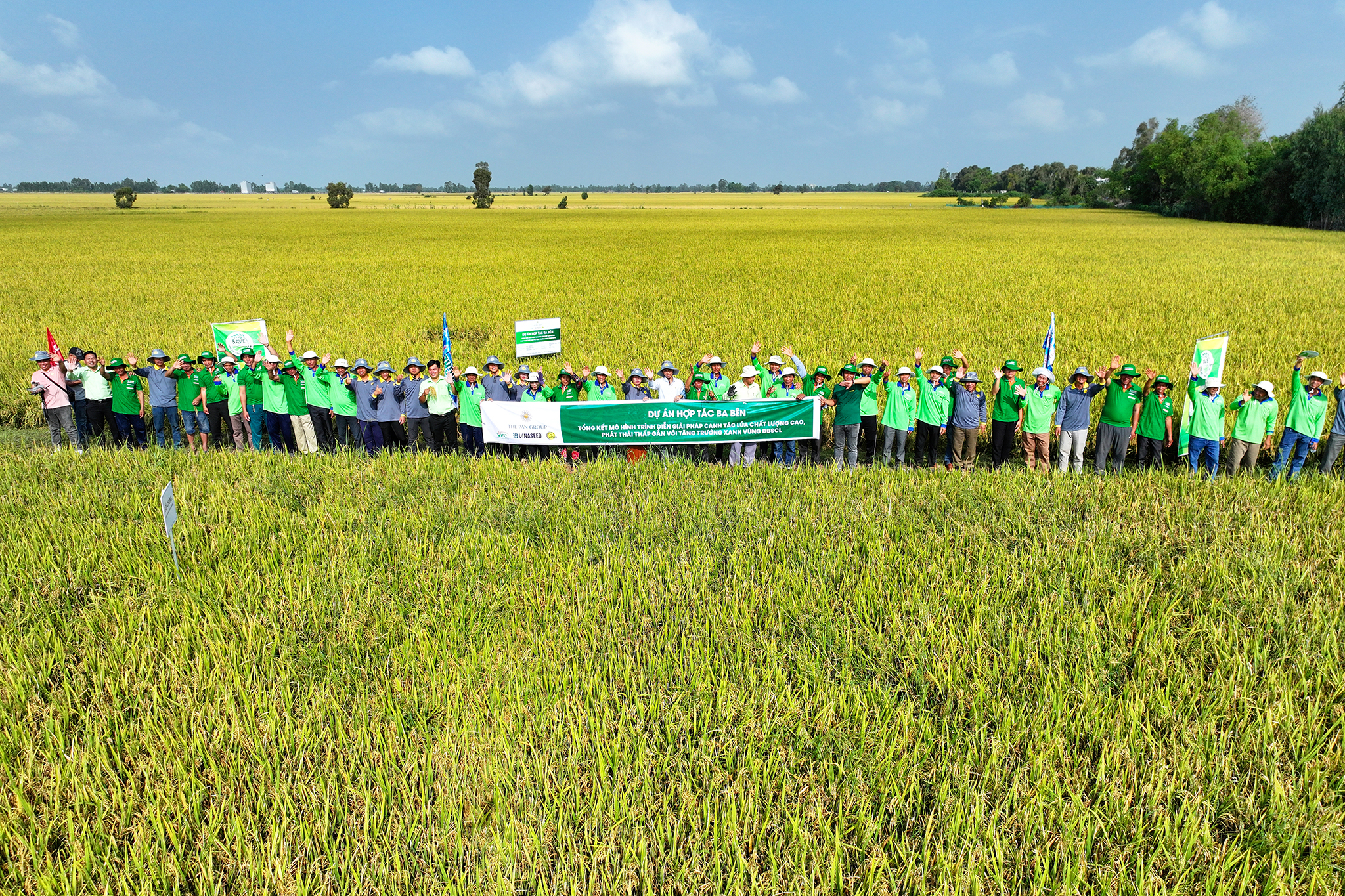
Conference on “Reviewing the demonstration model of high-quality, low-emission rice cultivation solutions linked with green growth”
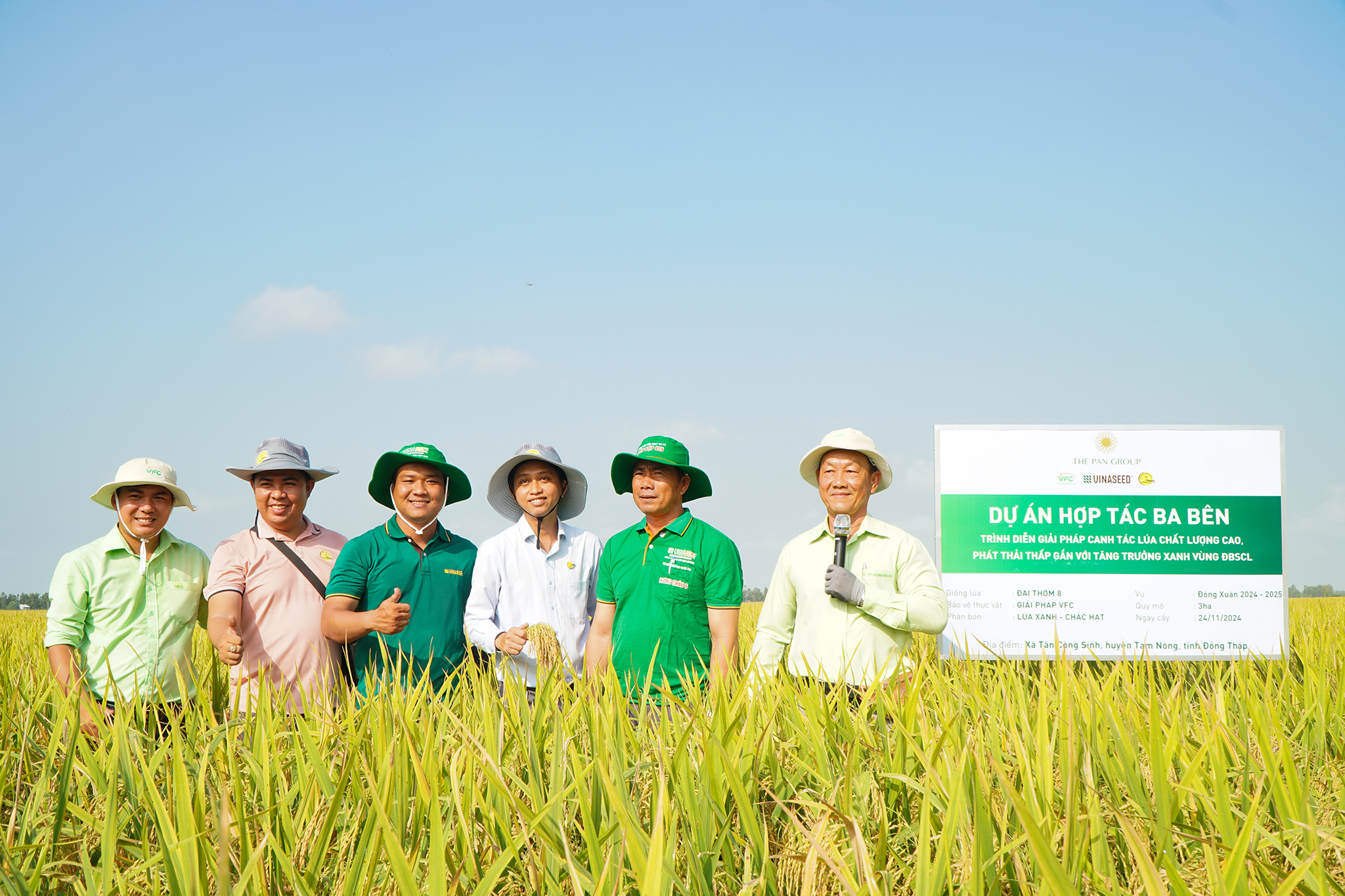
Reducing rice production costs by 26.3%
On 27 February, at Tan Cong Sinh commune, Tam Nong district, Dong Thap province, two member companies of PAN Group, namely Vietnam National Seed Group JSC (Vinaseed) and Vietnam Fumigation JSC (VFC), together with Binh Dien II Fertilizer Production and Trading JSC (2 Phong brand), organized the conference “Reviewing the demonstration model of high-quality, low-emission rice cultivation solutions linked with green growth in the Mekong Delta”.
This is a tripartite cooperation program between VFC, Vinaseed and Binh Dien II to develop a rice value chain cultivation model in the Mekong Delta. The agreement was signed in December 2023 to implement PAN Group’s initiative “Improving rice farmers’ income” in collaboration with Dong Thap province, thereby aligning with the national program “Sustainable development of 1 million hectares of high-quality, low-emission specialized rice associated with green growth in the Mekong Delta by 2030”.
To date, the project has been implemented over 3 rice crops (Winter–Spring 2023–2024, Summer–Autumn 2024 and Winter–Spring 2024–2025) with a total area of 85.3 ha across 6 Mekong Delta provinces: Dong Thap, An Giang, Long An, Soc Trang, Can Tho and Kien Giang.
The high-quality, low-emission rice cultivation protocol applied in the model is based on the technical guidelines of the Department of Crop Production (Ministry of Agriculture and Rural Development). The solution package consists of Vinaseed’s varieties, Binh Dien II’s fertilizers and VFC’s crop protection solutions.
The partnership among leading agribusinesses has created a superior, integrated solution package that helps farmers reduce input costs, increase yield, lower greenhouse gas emissions and ensure food safety.
Mr. Duong Quang Sau, Deputy General Director of Vietnam National Seed Group JSC (Vinaseed) and Head of the tripartite cooperation project, stated that after three pilot crops in the Mekong Delta, the integrated package of seed, fertilizer and crop protection has proved effective, with production costs in the model fields at 16.8 million VND/ha, 26.3% lower than the control fields (22.7 million VND/ha).
Notably, the seeding rate was reduced from 90 kg/ha to 60 kg/ha, the number of fertilizer applications from 6 times to 3 times, and plant protection interventions from 10 sprays to 5 sprays. As a result, seed costs fell by 36.2%, fertilizer costs by 26% and plant protection product costs by 36%.
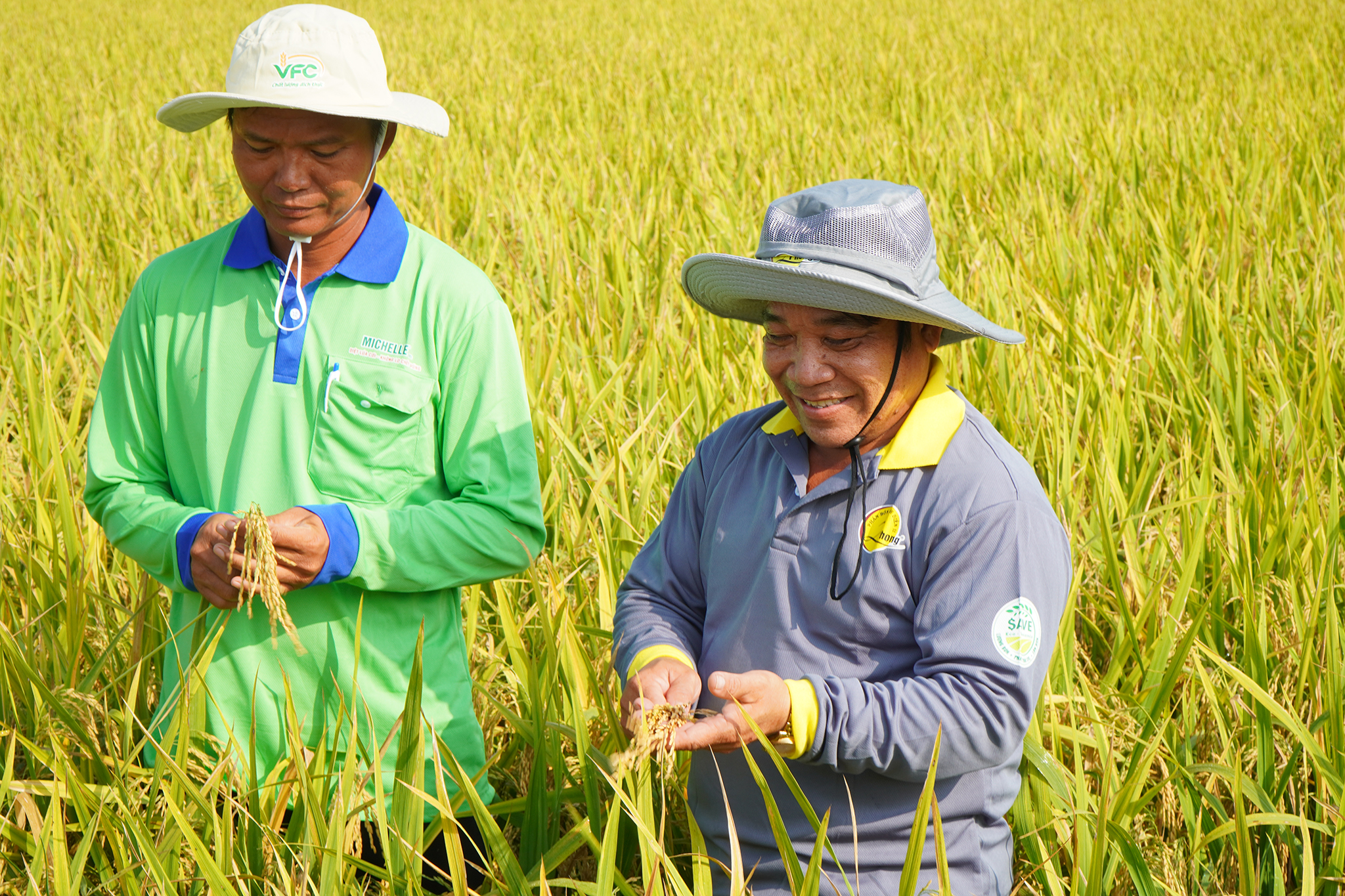
Despite reducing all input factors compared with the control, the model fields still maintained good yield indicators and increased farmers’ profits. Theoretical yield in the tripartite model fields reached 9.4 tons of dry paddy per hectare at 14% moisture, 10.2% higher than the control.
Actual yield in the model fields reached 7.05 tons of dry paddy per hectare, 10.6% higher than the control fields (6.37 tons/ha). Importantly, all paddy from the model fields is purchased by Vinaseed for processing, distribution and export.
“Thanks to the application of the integrated solution package and the guaranteed off-take, the model fields deliver significantly higher economic efficiency than the control. Profit in the model fields reached 33.9 million VND/ha, 46.5% higher than the control (23.1 million VND/ha). The profit margin in the model reached 67%, 50% higher than in the control fields. In addition to increasing farmers’ income, the model contributes to emission reduction targets in agriculture through the comprehensive package that reduces seed rate, fertilizer and plant protection inputs, combined with alternate wetting and drying irrigation to reduce water use,” affirmed Mr. Duong Quang Sau, Deputy General Director of Vinaseed.
Building a closed value chain model
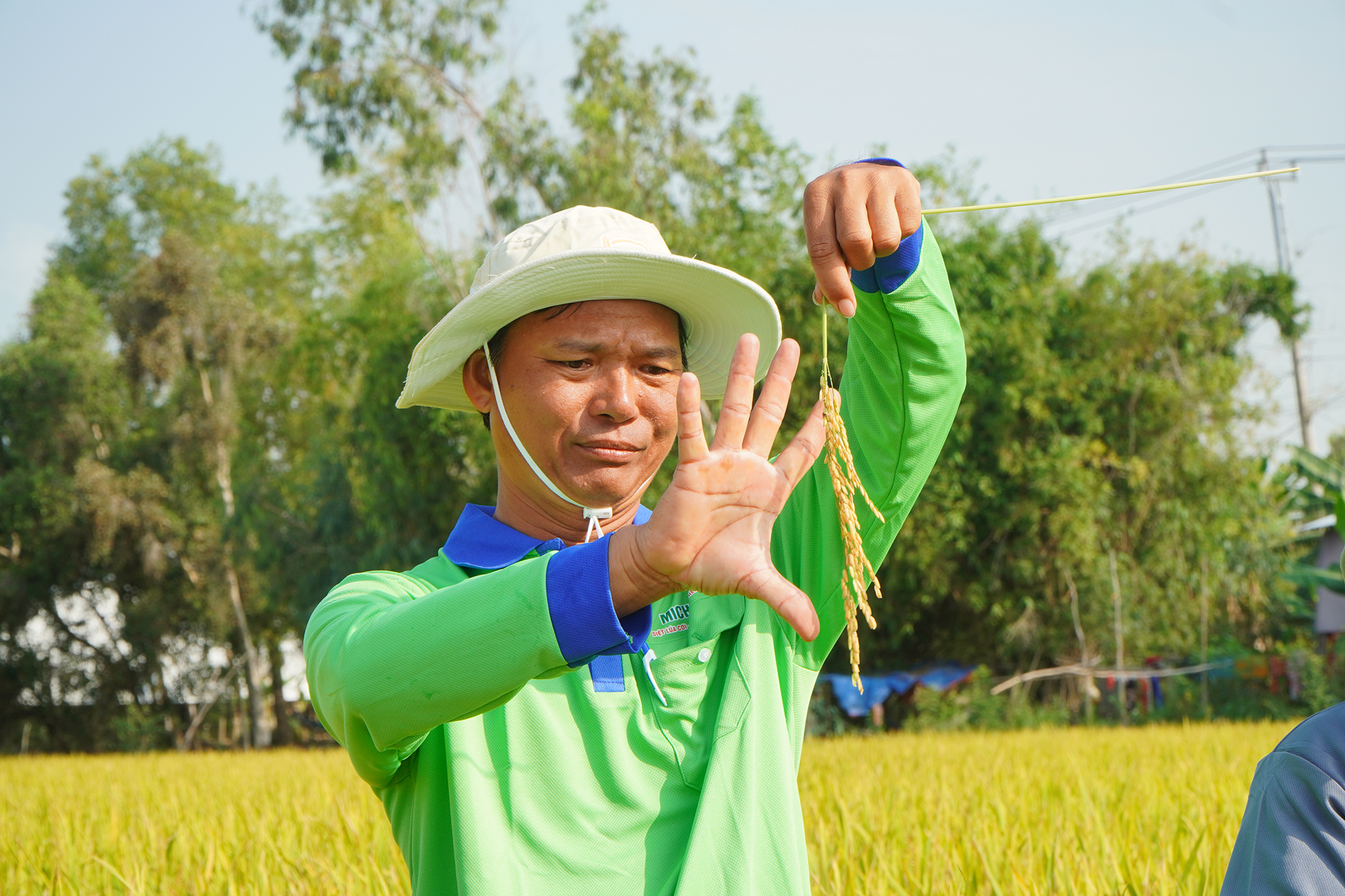
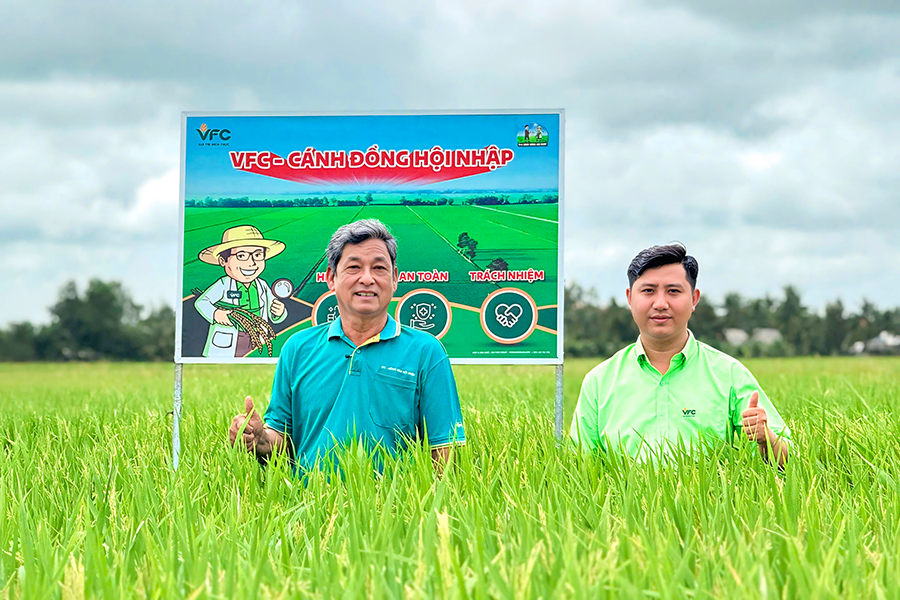
Mr. Tran Vu Chi, a farmer in Tan Cong Sinh commune, Tam Nong district, Dong Thap province, cultivates 3 ha of rice with the Dai Thom 8 variety in the 2025 Winter–Spring crop and has adopted the high-quality, low-emission rice cultivation model linked with green growth in the Mekong Delta. The model is implemented through the cooperation of VFC, Vinaseed and Binh Dien II.
According to Mr. Chi, the cultivation protocol is strictly followed from seed selection and fertilization to pest and disease management. Vinaseed supplies the rice varieties, while Binh Dien II guides fertilizer use at a total rate of 38 kg/ha for the entire crop. Fertilizer is incorporated at 20 kg immediately after land preparation, with the remainder applied 18 days later to supplement areas where rice growth is weaker.
In parallel, VFC supplies plant protection products and provides spraying protocols for pest and disease control, seedling fumigation and crop nutrition. VFC agronomists inspect the fields weekly to give technical advice, helping rice grow uniformly and minimizing pest and disease pressure. In practice, the model has not only reduced emissions and production costs but also delivered high economic efficiency, contributing to the development of a green, sustainable agriculture in the Mekong Delta.
Ms. Nguyen Thi Tra My, CEO of PAN Group, said that the Group’s member companies and partner Binh Dien II have developed a closed value chain model, focusing on sustainable agricultural solutions.
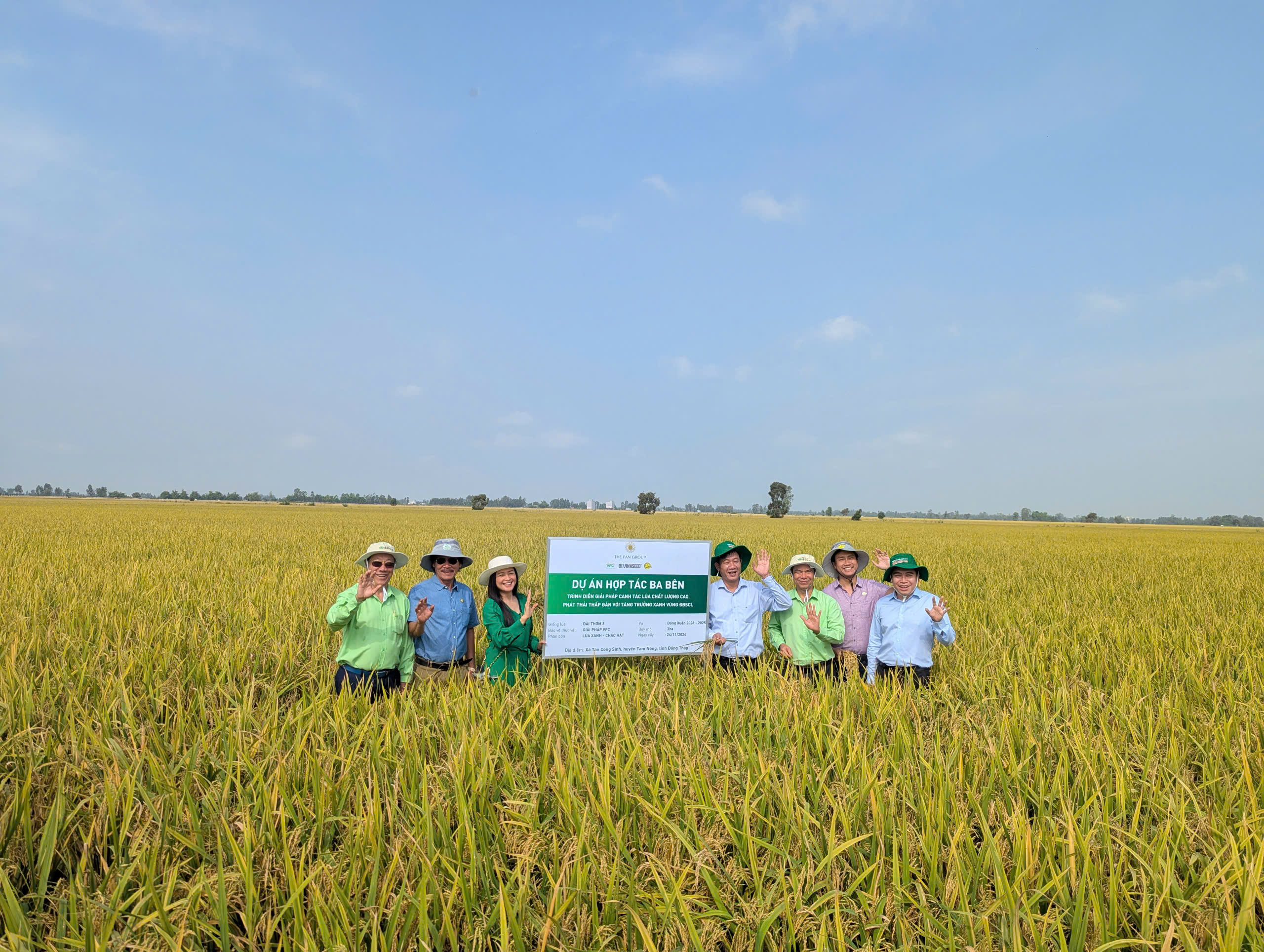
These solutions have so far reduced input costs while maximizing yield and quality, thereby achieving two key objectives: reducing greenhouse gas emissions in agriculture and, in particular, improving farmers’ incomes.
“Farmers must benefit for sustainable development goals to be truly effective. We believe this value chain linkage model can be replicated in many other localities nationwide,” Ms. Nguyen Thi Tra My emphasized.
Mr. Tran Thanh Tam, Head of the Crop Production and Plant Protection Sub-Department of Dong Thap, stated that the province is targeting 50,000 ha of low-emission rice cultivation by 2023 under the Ministry of Agriculture and Rural Development’s 1-million-hectare high-quality rice program. At present, many linkage models between farmers, cooperatives and enterprises have been deployed in the province. The cultivation protocol implemented with the cooperation of the three companies VFC, Vinaseed and Binh Dien II plays a key role in strictly controlling input materials, reducing production costs and thereby increasing profits for farmers.


 You may be interested